Microscopes for Laboratory Research
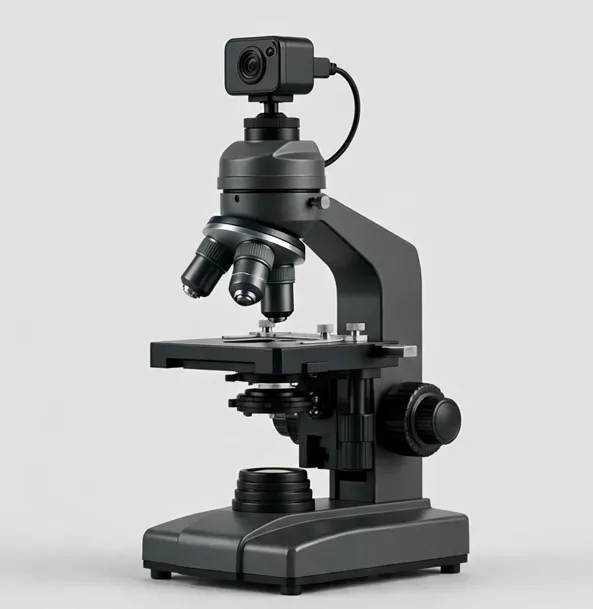
Routine laboratory microscopy — teaching labs, research-support benches, quality and materials checks — runs on compound microscopes specified for the work rather than the brochure: plan or achromatic objectives, a condenser that controls contrast, a stage that moves precisely, and illumination that stays even across a long day.
The head decision mirrors the workflow. Binocular heads are the comfort standard for individual bench work. Trinocular heads add the camera port that modern labs increasingly treat as mandatory: images for notebooks and publications, live views for supervision and collaboration, and a record that outlives the session.
Magnification honesty matters in a lab notebook. Optical ranges are stated plainly across this store (eyepiece × objective, 40x–1000x on the compound line), because a methods section cannot cite a digital-zoom figure. The 100x oil-immersion objective is where the smallest routine work lives, and it deserves its consumables: immersion oil, lens tissue, and the discipline to clean it the same day.
Measurement enters through the camera: calibrated against a stage micrometer, imaging software turns the trinocular station into a measuring instrument for fibers, particles, cells in culture checks and materials — with the calibration record kept alongside the data.
One scope note, kept visible: the instruments here serve education, research support and routine observation. They are not sold as clinical diagnostic devices, and diagnostic work belongs on certified clinical equipment under the applicable regulations.
Recommended specifications
- Optics: achromatic or plan achromatic objectives, 4x–100x
- Head: binocular for bench work; trinocular for documentation
- Contrast: Abbe condenser with iris diaphragm
- Documentation: USB camera + measurement after calibration
- Consumables: immersion oil, lens tissue, prepared and blank slides
Recommended products
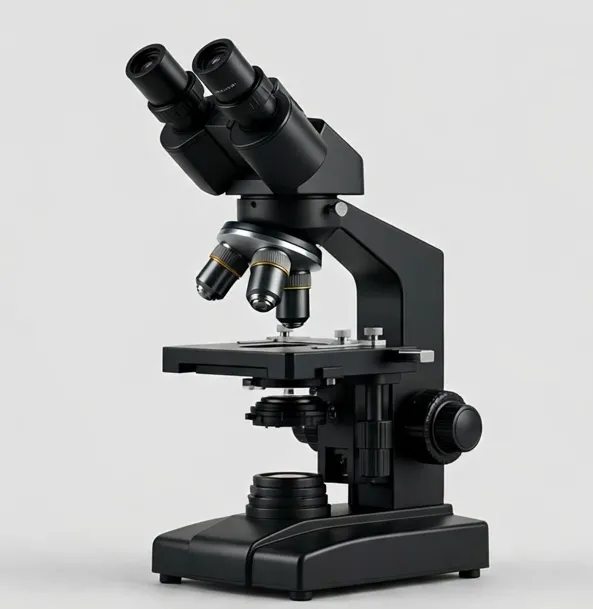
Binocular comfort for longer lab sessions, with a double-layer mechanical stage
A binocular compound microscope with two eyepiece sets (40x–2000x optical), Abbe condenser and a smooth double-layer mechanical stage for serious coursework and lab routines.
40x–2000x optical
$339.99
Sample catalog — order confirmed by email
Teach and record at once: trinocular head with a 5MP USB camera included
A trinocular compound microscope (40x–1000x optical) with a 5MP USB camera in the box — demonstrate through the eyepieces while the class watches the screen.
40x–1000x optical
$399.99
Sample catalog — order confirmed by email
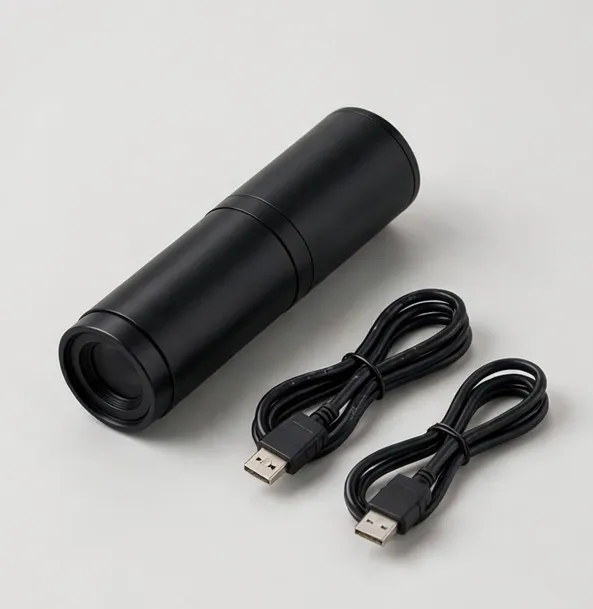
Turn your existing microscope into a 4K camera station
Add 4K HDMI imaging and USB capture to a trinocular or stereo microscope you already own. C-mount and eyepiece adapters included.
— (camera) screen
$279.99
Sample catalog — order confirmed by email
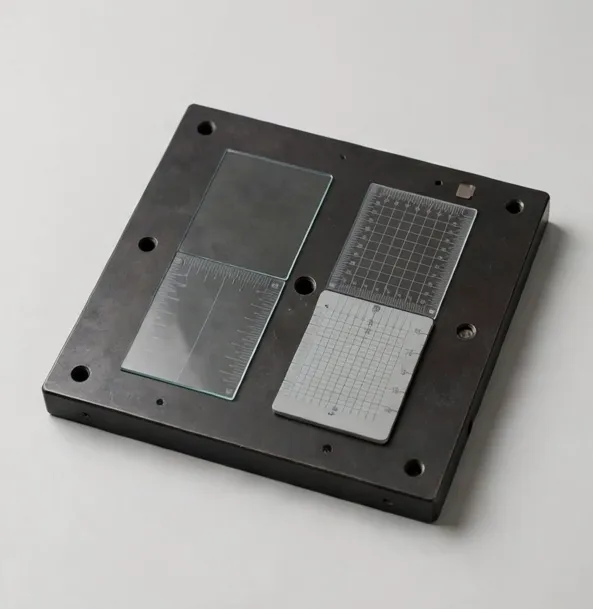
Make your measurements mean something: 0.01 mm stage micrometer kit
A 0.01 mm stage micrometer and crosshair calibration slide for setting up on-screen measurement. Calibrate once per magnification and measure with confidence.
$24.99
Sample catalog — order confirmed by email
Browse the full ranges: Compound Microscopes · Microscope Cameras
Frequently asked questions
Binocular or trinocular for a research-support lab?
Trinocular if any documentation, teaching or remote consultation happens — the camera port pays for itself the first time a result must be shared or published. Binocular suffices for purely individual observation.
What magnification does routine lab work use?
40x–400x for most observation; 1000x with oil immersion for the smallest subjects. All figures here are optical.
Can I measure specimens with the camera?
Yes, after calibrating with a stage micrometer at each objective. Keep the calibration with your records so measurements are reproducible.
Are these microscopes for clinical diagnosis?
No. They are education and research-support instruments, not certified clinical diagnostic devices.